
Choosing the Perfect Flooring for Your Fort Worth, TX Home Remodel
When remodeling your Fort Worth, Texas, home, few decisions are as impactful as choosing new flooring. Floors set the tone for your space, blending style, durability, and comfort. At ALC Construction Pros, serving Fort Worth neighborhoods like Rivercrest, Monticello, and Fairmount, we’ve been transforming homes with expert flooring remodels since 2014. Whether you’re updating a single room or your entire Fort Worth, TX, home, this guide explores the best flooring options for 2025, tailored to Tarrant County lifestyles.

Why Flooring Matters in Dallas and Fort Worth
Dallas and Fort Worth, TX, blends Western heritage with modern living, and your flooring should reflect that balance. In historic Fairmount, hardwood floors complement Craftsman homes. In Rivercrest, luxury vinyl plank suits busy families. Flooring also affects your home’s durability, especially in Texas, where humidity and temperature swings challenge materials. A flooring remodel boosts your property’s appeal, whether you’re in Monticello or Tanglewood, and can make daily life more comfortable. At ALC Construction Pros, we help Fort Worth and Dallas homeowners choose floors that match their aesthetic and practical needs.
Top Flooring Options
-
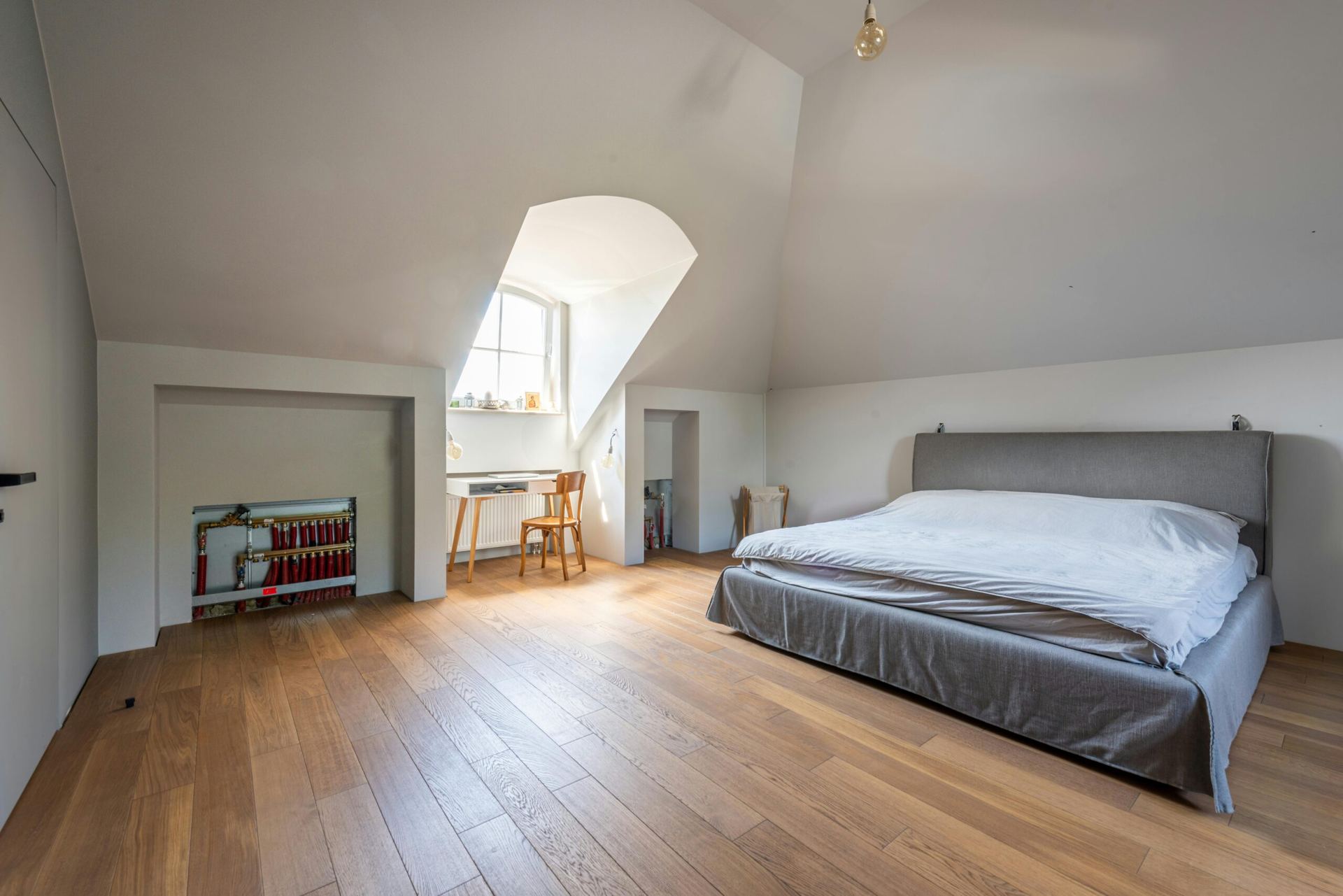
Hardwood: A classic choice for Fort Worth homes, offering warmth and timeless appeal.
-
Luxury Vinyl Plank (LVP): Affordable and water-resistant, ideal for Tarrant County kitchens.
-
Porcelain Tile: Durable for high-traffic areas in Cultural District homes.
-
Carpet: Cozy for Westover Hills bedrooms, with modern stain-resistant options.
Each material has unique benefits, and our Fort Worth contractors guide you through the selection process, considering factors like maintenance and Texas climates.
Floor Repair vs. Remodel
If your floors have scratches or water damage, floor repair can restore them for hundreds. However, outdated or worn floors may require a full remodel, costing thousands. Fort Worth homeowners in Arlington Heights often opt for remodels to modernize their spaces. Our team at ALC Construction Pros assesses your floors to recommend the best approach, ensuring a flawless finish.
Why ALC Construction Pros?
ALC Construction Pros brings local expertise to Fort Worth, TX, flooring projects. We serve Rivercrest to Sundance Square, offering free consultations and precise installations. Call 214-217-4409!
Conclusion
A flooring remodel in Fort Worth, TX, transforms your home’s look and feel. Let ALC Construction Pros bring your vision to life!
Call 214-217-4409 for a free quote!
What Flooring Costs in Dallas-Fort Worth
Installed prices in the metroplex in 2026 typically look like this. Luxury vinyl plank runs $4 to $9 per square foot installed, which is why it has become the default for busy households. Porcelain and ceramic tile run $8 to $15 installed depending on the pattern and prep. Solid hardwood lands between $10 and $18 installed, with engineered hardwood a couple of dollars less. Carpet remains the budget option at $3 to $6 installed. For a 1,500 square foot flooring project, that puts most whole-home jobs between $8,000 and $20,000. The spread comes down to material grade and how much prep your slab needs, which brings up the thing most flooring articles skip.
The Slab Foundation Factor Nobody Mentions
Almost every home in Dallas and Fort Worth sits on a concrete slab, and North Texas clay soil moves that slab seasonally. This matters for flooring more than any design trend. Solid hardwood nailed to a shifting, moisture-wicking slab is asking for cupped boards; it needs a proper moisture barrier and often a plywood subfloor first, which adds cost. Floating floors like LVP and engineered hardwood tolerate slab movement far better. Before we install anything, we check the slab for moisture and flatness, because a $15,000 hardwood floor over a wet slab becomes a warranty argument within two summers. If your current floors have unexplained peaks or gaps that open and close with the seasons, the slab is talking to you.
Room-by-Room Recommendations for DFW Homes
Kitchens and bathrooms: tile or LVP, full stop. Both shrug off water, and LVP is warmer underfoot and kinder to dropped dishes. If you are redoing the kitchen floor, it is worth reading how flooring fits into a larger kitchen remodel, because replacing floors before cabinets is doing the job twice. Living areas: engineered hardwood or LVP, depending on budget and how much real wood matters to you. Bedrooms: carpet survives here for comfort, though many Fort Worth buyers now prefer hard surfaces throughout with rugs. Home offices and playrooms: LVP takes rolling chairs and toy trucks without complaint.
Hardwood vs. Luxury Vinyl Plank, Honestly
We install both, so we have no horse in this race. Hardwood wins on resale perception, refinishing (you can sand it two or three times over decades), and the fact that no vinyl fully imitates the sound and feel of wood. LVP wins on water resistance, scratch resistance, slab tolerance, and price. The honest tiebreaker is your household: dogs, kids, and pool access argue for LVP; a formal living room in a Tanglewood colonial argues for wood. Plenty of our clients mix them, wood in the front rooms, LVP in the working parts of the house, and the transitions can be nearly invisible when planned well.
How Long Flooring Installation Takes
A single room takes a day or two. A whole single-story home runs three to seven working days, including furniture moving, old floor removal, slab prep, and trim work. Tile takes longer than plank because of mortar and grout cure times. If flooring is part of a bigger renovation, we sequence it late in the project so finished floors are not a construction walkway; that is one advantage of running the whole job under one whole home remodeling plan.
Frequently Asked Questions
Should I replace flooring before selling a Dallas home?
Usually yes, if the current floors are worn carpet or damaged laminate. Fresh LVP is one of the highest-return pre-sale updates because buyers see the whole house through the floors. Skip exotic materials before a sale; neutral and durable wins.
Can new flooring go over existing tile?
Sometimes. LVP can float over flat, well-bonded tile, which saves demolition cost and mess. We check for hollow spots and height problems at doorways first.
What flooring handles Texas humidity swings best?
Porcelain tile and quality LVP are essentially indifferent to humidity. Engineered hardwood handles it well. Solid hardwood and cheap laminate are the two that complain.
Get Flooring Priced for Your Home
Bring us the rooms and your shortlist of materials, and we will bring samples, measure, and put an installed price in writing, including any slab prep, so there are no surprises mid-job. We install flooring across Dallas, Fort Worth, and the surrounding suburbs. Call 214-217-4409 or request a free estimate.
Preparing for Installation Day, and Living With New Floors After
A little preparation makes flooring week painless. Empty the rooms as far as you can; we move the heavy pieces, but every box and lamp you relocate yourself is time the crew spends installing instead of carrying. Expect some noise and, with tile work, a day or two where the room is off limits while mortar cures. If anyone in the house works from home, plan calls away from the action; flooring nailers do not respect meeting schedules. New material should also acclimate in the house for a few days before installation, especially wood, so do not be surprised when boxes of planks arrive and then sit in the hallway; that pause is the product adjusting to your home’s humidity, and skipping it is how gaps happen in January.
Once floors are in, care is simpler than the maintenance aisle suggests. For LVP and tile, a dust mop and a damp mop with a neutral cleaner cover ninety percent of life; skip steam mops on vinyl, since heat is the one thing it dislikes. For hardwood and engineered wood, use felt pads under furniture the same day the crew leaves, keep grit swept because sand is sandpaper underfoot, and wipe standing water rather than letting it sit. Texas-specific advice: run the HVAC year-round rather than leaving the house to swing between 60 and 90 degrees while on vacation, because stable indoor humidity is the cheapest wood floor insurance there is. Rugs need breathable pads, particularly on vinyl, where rubber backings can discolor the surface over a summer. Do these small things and the difference between a five-year-old floor and a fifteen-year-old floor becomes hard to spot from standing height.




